Is taking your boat out of the water enough to protect it from frost on Lake Annecy?
Boat Winterization 10 min read Published September 4, 2026Updated October 16, 2026 The Motor Boat 74 team
Every fall, many owners slip into the same habit: haul the boat out, put it under cover and consider the hard part done. On Lake Annecy, that is an expensive mistake, because the real winter risk does not come from the lake but from what stays inside the boat. Yes, freezing temperatures can damage a boat even out of the water. The danger comes from residual water trapped in certain systems and equipment: as it freezes, it expands and can build up enough pressure to damage the engine or other systems on board. Key takeaway: hauling the boat out of the water is not the same as winterizing it. The engine, the systems that hold water, the batteries, the equipment and the storage conditions all need attention before several months of downtime. Around Annecy, preparation starts as soon as the boating season ends, not when the first frosts arrive but ahead of time, so the boat is already protected when temperatures drop below freezing. In this article: - why freezing can damage a boat - why the engine cooling system is the most vulnerable point - which other equipment needs to be prepared - what can happen if winterization is inadequate - when to winterize your boat in Annecy - what professional winterization should really cover --- ## At a glance: winter risks and how to prevent them | Winter risk | What can happen | Prevention | |---|---|---| | Freezing water | Expansion and pressure in the systems | Proper draining and protection | | Cooling system | Damage to certain components | Preparation suited to the engine | | Water systems (freshwater, head, etc.) | Residual water that can freeze | Draining and protection | | Batteries | Discharge, trouble starting | Proper preparation and storage | | Humidity | Condensation, gradual deterioration | Ventilation and suitable storage conditions | | Long period of inactivity | Problems discovered in the spring | Full winterization + spring recommissioning | The principle is simple: prepare the boat before it is exposed to the cold, rather than discover the damage when it goes back in the water. ## Why frozen water can damage an engine The mechanism is basic physics: water expands as it freezes. In the open air, that expansion is harmless. It becomes a problem as soon as the water is trapped in an enclosed space, a hose or an engine block, that cannot absorb the extra volume. The pressure on the walls can then create enough stress to damage components. During the season, water flows constantly through the engine's cooling system. Once the boat is laid up, whatever remains in that system becomes the deciding factor. The risk can be summed up like this: Residual water → below-freezing temperatures → ice → expansion → stress on components. What makes this so insidious is that it happens silently: an engine can run perfectly at the end of the season and show a problem several months later, with no visible symptom at the time it was put away. That is exactly the job of proper winterization: to remove or protect the vulnerable parts before freezing temperatures can do their work. ## The cooling system, the most vulnerable point How it works varies with the engine, but the principle stays the same: while you are under way, water flows through the system to carry away the heat produced by the engine. Turning off the engine and hauling the boat out is not enough to get rid of whatever may remain inside. Proper preparation must determine: - which systems still contain water - which parts need to be drained or protected - which method suits the engine in question - how the engine should be left for several months of downtime
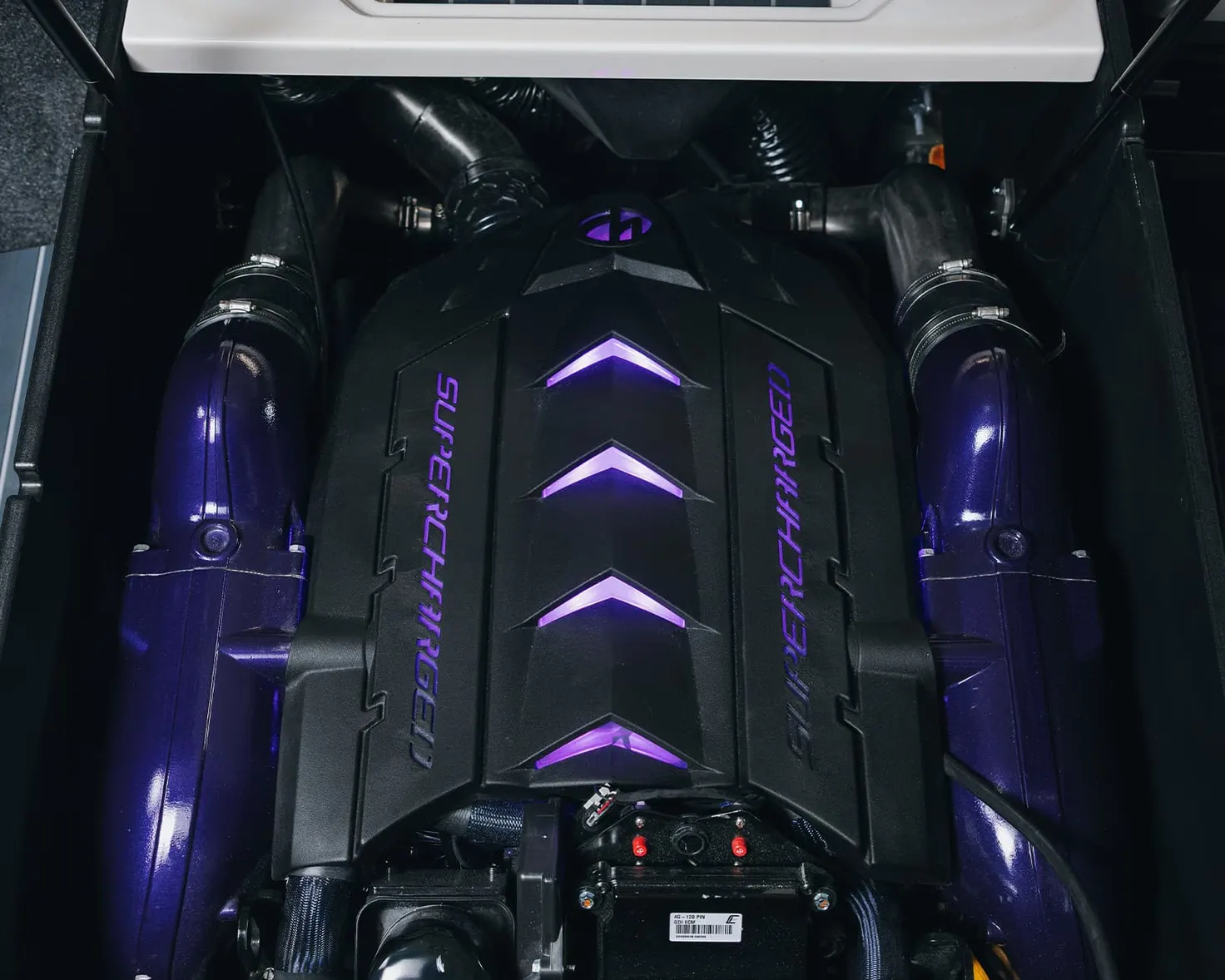
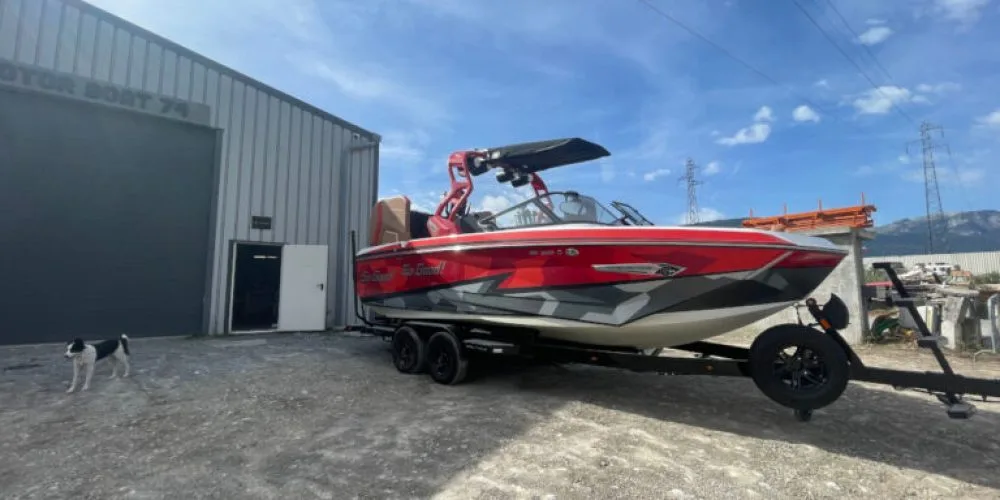
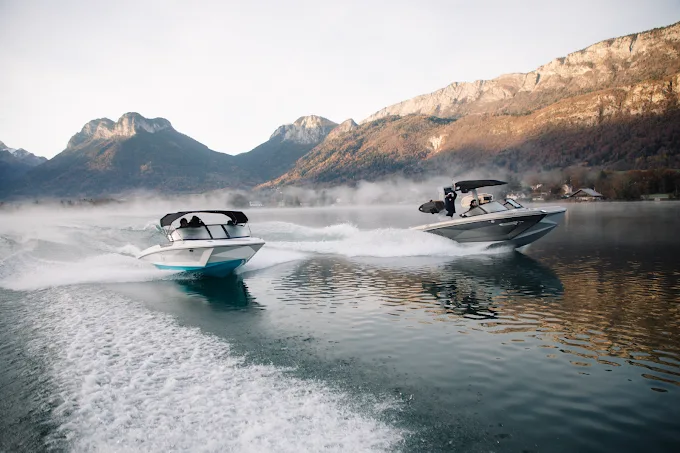
Before winter, every system that holds water needs to be identified. Photo: MasterCraftThere is no universal method that works for every engine; this is where technical expertise makes the difference between truly effective winterization and simply putting the boat under cover. You sometimes hear winterization boiled down to a single step: “add antifreeze.” That is an oversimplification. The first thing is to understand where the water is and how the system works; a protective product never replaces proper preparation beforehand. ## Other items to prepare before winter The engine gets most of the attention, but it is not the only thing at stake: | Item | Why to think about it before winter | |---|---| | Cooling system | Protect the parts that may contain water | | Water systems (freshwater, head) | Keep residual water from getting trapped | | Batteries | Keep them in good condition through several months without use | | Onboard equipment | Prepare each item according to how sensitive it is | | Boat interior | Limit the effects of humidity and condensation | | Storage | Keep the boat in suitable conditions | Winterization covers the whole boat, not just its engine. ### Batteries A battery that is not properly prepared before several months of downtime can lose its charge, suffer a lasting drop in performance or even require extra work at spring recommissioning. The risk is different from freezing water, but the point is the same: plan ahead rather than discover the problem when you are ready to go back out on the water. ### Humidity and condensation Freezing is not the only thing to watch out for. A boat laid up for several months also has to deal with humidity, condensation and limited air circulation, all factors that can gradually damage the interior and some equipment. So good winterization is not just about protecting the engine from freezing: it prepares the whole boat for its time out of use. ## What can happen if a boat is poorly winterized? The real problem is that the boat can seem perfectly normal before winter. Nothing visible tells you that some water has stayed trapped in a system. The typical scenario plays out in five stages: the boat runs normally at the end of the season → it is stored, but some systems have not been properly prepared → a cold snap hits and the residual water freezes in vulnerable parts → spring arrives and the boat is recommissioned → a leak, a damaged component or a malfunction is then discovered. The real risk: it would be misleading to quote a standard repair cost, since it depends entirely on the component affected, the engine and the extent of the damage. What is certain, however, is that winterization almost always costs less than a repair that could have been avoided. ## Should you wait for the first frost to winterize your boat? No, it is better to prepare the boat before the cold sets in. There is no single date that works for every boat on Lake Annecy: the right time depends on when your season ends, how often you use the boat, its engine and the equipment on board. One simple rule is enough to go by: once the season is over, plan the winterization ahead instead of putting it off until the first frosts. Waiting until the last minute is an unnecessary risk; by the time temperatures drop, the boat should already be ready. ## Winterization or simple storage: what is the difference? The two terms are often confused, yet they meet different needs. In front of the Motor Boat 74 winter boat storage building. | Storage | Winterization | |---|---| | Finding a place for the boat | Preparing the boat for winter | | Physically protecting the boat | Preparing the engine and systems | | Meets a need for a parking space | Reduces the risks of a long layup | | Mainly about the location | About both the preparation and the location | | Can be done without any mechanical work | Requires preparation suited to the boat | Pro tip: a boat can therefore be stored without really being winterized. That is an essential distinction when you are looking for boat winterization in Annecy. ## Why winterization must be tailored to each boat Two boats stored in the same place do not necessarily need exactly the same preparation: their engines, equipment and setups are different. So professional winterization always starts with a simple question: which boat are we preparing? Only then come its cooling system, its water systems, its equipment and how long it will be laid up. Proper preparation is not a series of steps applied automatically to every boat. It has to be tailored to the actual boat. ## Pre-winterization checklist - [ ] Prepare the engine according to its type - [ ] Check the relevant cooling systems - [ ] Prepare the systems that may contain water - [ ] Prepare the batteries - [ ] Take humidity and condensation into account - [ ] Protect the boat properly while it is in storage - [ ] Plan ahead for spring recommissioning This list is a good starting point, but it does not replace the steps specific to each boat. That is also why professional winterization makes sense: the owner does not have to work out alone which steps their engine and equipment require. ## What professional winterization in Annecy should include A full winterization service goes beyond simply putting the boat under cover: | Step | Purpose | |---|---| | Haul-out | Prepare the boat for its layup | | Engine preparation | Reduce the risks of freezing and long downtime | | Systems preparation | Keep water out of vulnerable parts | | Equipment preparation | Get the boat ready for several months without use | | Boat storage | Keep the boat in a suitable environment | | Spring recommissioning | Get the boat ready to return to the water in the spring | The value of a professional service is that it treats winterization as a complete step between two seasons, not as simply renting a space. ## Boat winterization in Annecy with Motor Boat 74 At Motor Boat 74, winterization follows this overall approach: the boat is prepared for its layup according to its engine and equipment, then stored in suitable conditions until it is recommissioned. The goal remains simple: prepare the boat properly before winter, protect it while it is laid up, and make recommissioning easy as soon as the warm weather returns. Explore boat storage & winterization in Annecy → ## And after winter? Spring recommissioning Winterization and recommissioning are two steps of the same cycle. A boat that was properly prepared before winter must be checked and set up for boating again before it returns to the lake; planning this step ahead keeps you from discovering a problem a few days before your first outing, at the worst possible moment. ## 5 things to remember | Remember | Why it matters | |---|---| | Hauling the boat out is not enough | Water can remain in some systems | | Freezing can cause damage | Water expands as it freezes | | The engine must be prepared according to its type | Not all cooling systems are the same | | Plan ahead for the first cold spells | The boat must be protected before the freeze, not after | | Winterization and storage go hand in hand | The boat must be prepared, then kept in good conditions | --- A freeze does not have to mean damage for a boat stored in Annecy. The real risk comes from preparation that is incomplete, unsuitable or done too late. Hauling your boat out of the water is not the same as winterizing it: you also need to prepare its engine, systems and equipment according to its setup, then arrange suitable boat storage. If your boat ends its season on Lake Annecy, plan its winterization before the first freezing spells. Explore Motor Boat 74's boat winterization service in Annecy →
A project or a question?
Our experts answer your questions and send a free quote within 24 hours.
An outboard and an inboard are not winterized the same way. The difference mainly comes from their design: on an outboard, the engine and the lower unit are accessible outside the hull; on an inboard, the engine, the transmission and several systems are built into the boat.
A poorly winterized inboard engine is the number one risk of a season that starts with a repair bill instead of an outing on the lake. Unlike an outboard, an inboard engine runs with a cooling system, a driveline (V-Drive or direct drive) and…